I turn half-formed ideas into software that runs your business.
I’m Ahmad Nasrullah, an AI and full-stack engineer. I work with founders and small teams who have a problem worth solving and no engineering team to solve it — scoping it in a week, quoting one fixed number, and shipping a working demo every week until it’s live.
One of these is probably you.
You have an idea you can describe in conversation but not in a document.
A process runs your business on spreadsheets, phone calls and one person's memory.
An AI feature demoed well six months ago and never shipped.
Something is half-built, and the person who built it is gone.
None of these needs to be written up before you get in touch. Working out exactly what to build is the first thing I do, and it takes days, not months.
Four kinds of thing, built end to end.
AI SaaS platforms
A product people pay for, with the evaluation and fallbacks that keep it trustworthy once real customers are using it — not a demo that impresses in a meeting.
AI-integrated mobile apps
iOS and Android where the intelligence works on the device, in a shed with no signal, and not only on a good connection in an office.
Custom agents and automations
The work that eats your team's week, done by software instead — measured against how long it used to take.
Production web apps
The system your business runs on: fast, documented, and in your accounts from the first day.
You'll know the price and the date before the build starts.
Nothing about an engagement should be a surprise. Here are four of the seven stages — each one says how long it takes and what you're holding at the end of it.
- 30 minutes · free
Intro call
A straight answer on fit and a rough size range. No deck, no follow-up sequence.
- 2 to 5 days
Discovery sessions
Recorded sessions and a shared document that grows in front of you, so nothing depends on my memory or yours.
- End of week one
Findings and scope
The findings and scope document. It is yours to keep whether or not you hire me, and it is specific enough to hand to another engineer.
- Weekly cycles
Build
Software you have already used before it goes live.
All seven stages, in detail — including what happens when you want to change something mid-build.
What changed for the people who hired me.
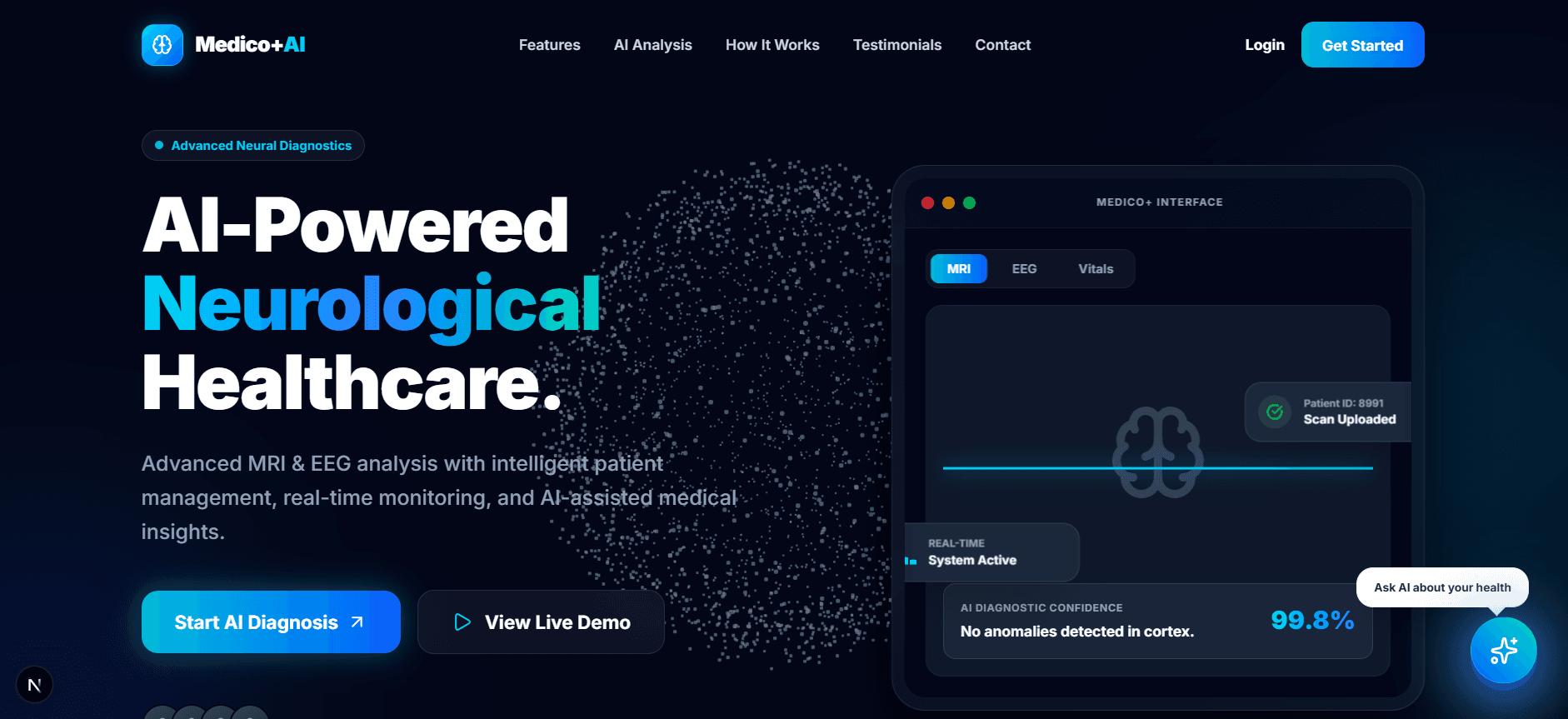
EEG report drafting time cut by 70%, and a three-week backlog cleared.
Neurologists were spending 45 to 90 minutes writing up every EEG. Now they review a draft that is already written and sign it.
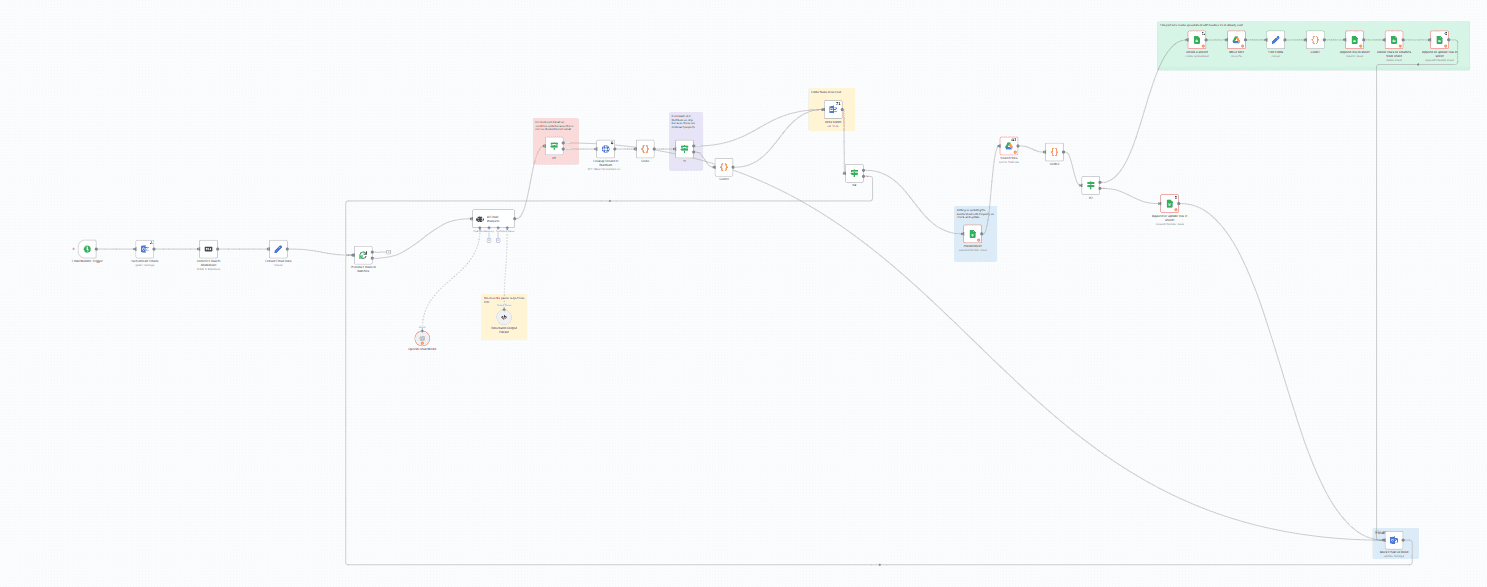
Booking confirmations went from two days to under five minutes, with no double-bookings since launch.
A business running its schedule on phone calls, email and a shared spreadsheet now confirms bookings automatically across every staff calendar.
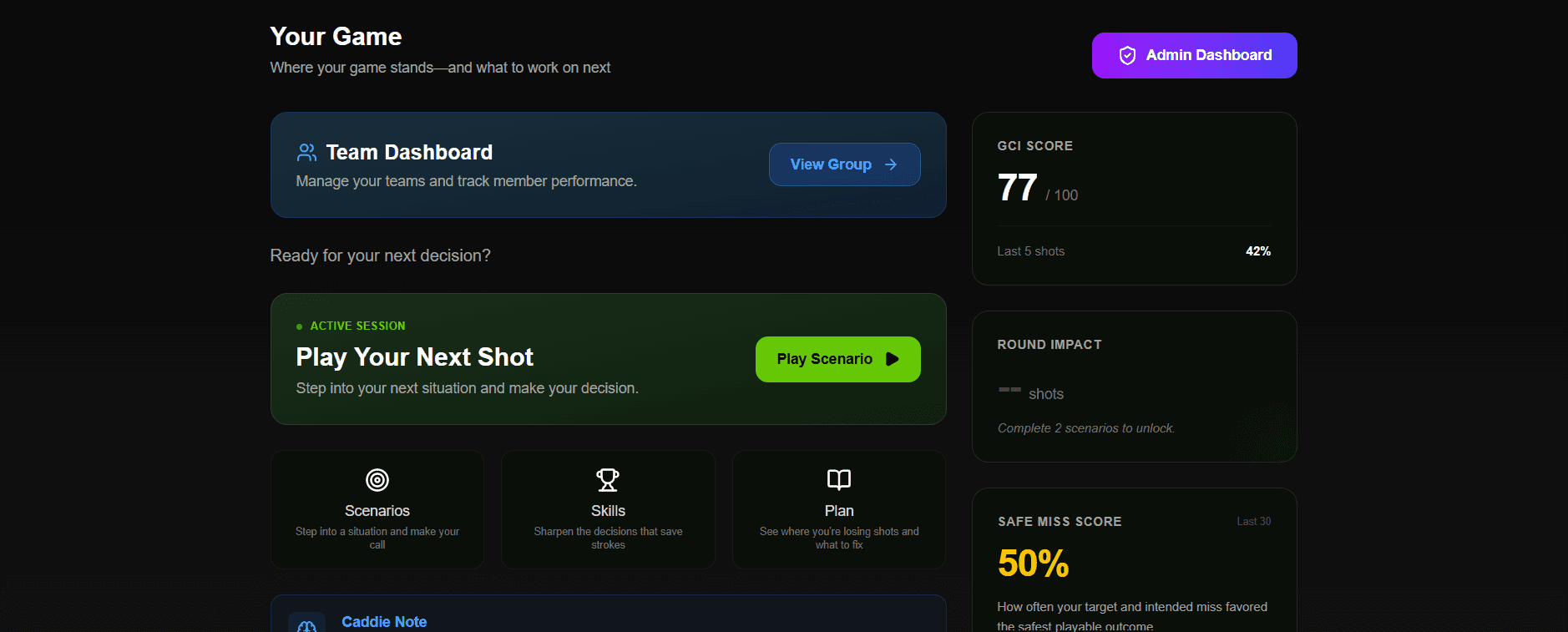
One coach can now run a full roster from a single dashboard instead of one player at a time.
A web and mobile platform where golfers log rounds and get coaching feedback immediately, and coaches see every player's progress in one place.
I’m not learning production on your budget.
Other businesses close their month on software I built and still run. That means I carry the parts of this work that only appear after launch — a migration that cannot lose a row, a deadline that does not move, a bug reported at 9pm on the last day of the quarter.
Your product will live in the same conditions. I have already been there with my own.
See what I run →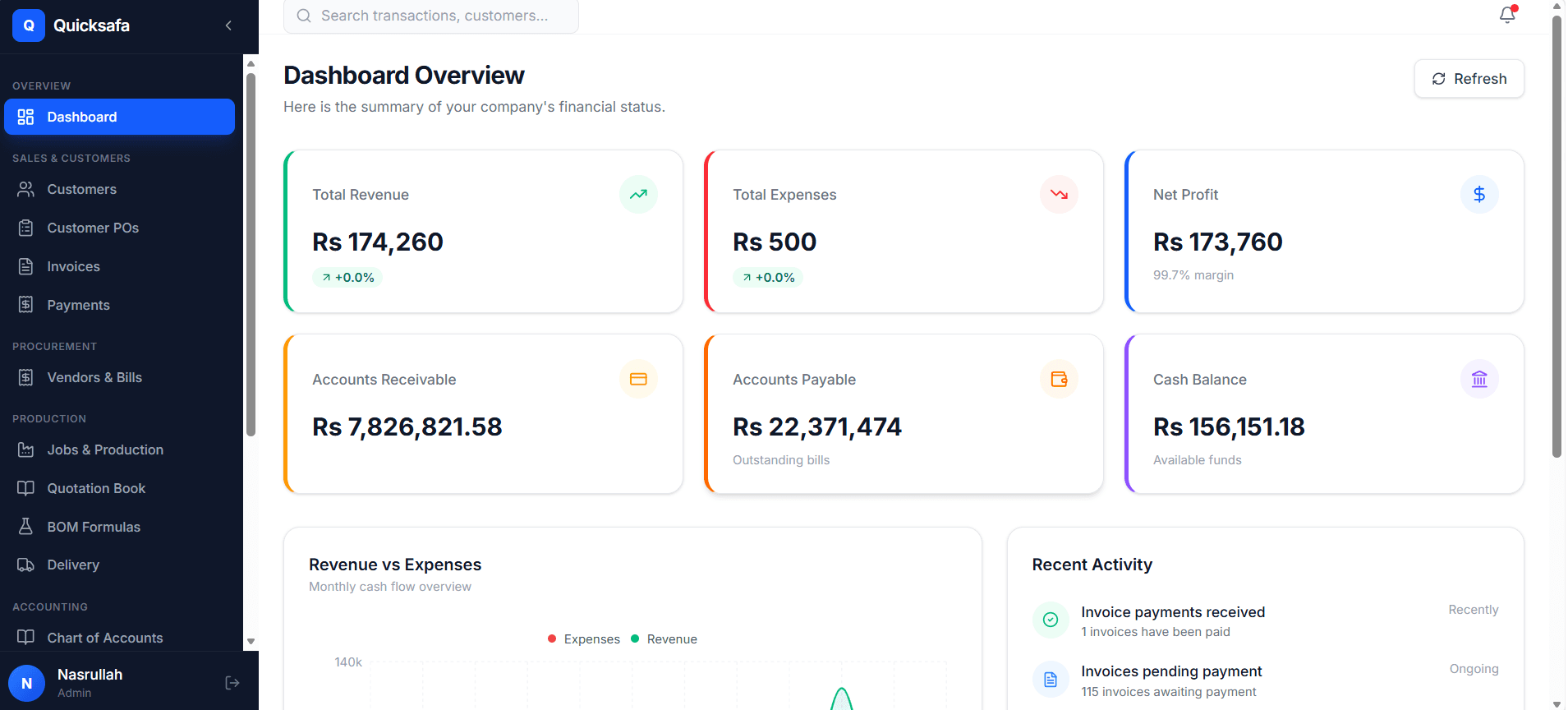
A team when the work needs one. Never an agency.
Most projects are me. When a brief is genuinely bigger — real design work, web and mobile in parallel, a date that will not move — I bring in people I've shipped production work with and lead it myself. What doesn't change is who you talk to.
You talk to the person writing the code
No account manager relaying your requirements to someone you never meet. The person on the call is the person building it.
Everyone is named before we start
When a brief needs a designer or a second engineer, I bring in specialists I've shipped with — introduced in week one, and there until launch.
Nobody gets swapped out
You are not sold a senior engineer and handed a junior in week three. The people you meet are the people who do the work.
One conversation, not a relay
What you say in a call goes straight into the build. Nothing is lost passing through three people and a ticket.
The things people ask before the first call.
What does a project usually cost?
Ranges are on the services page, and you get a single fixed number before any build starts. That number comes at the end of discovery, once the scope is written down — never before, because a price quoted against a vague brief is the thing that doubles later. Discovery itself is a fixed fee, and it is credited against the build if we continue.
How do you handle it when I don't know exactly what I want yet?
That is the normal starting point, and there is a stage of the process built for it. Discovery is two to five days of working sessions where we go from an idea to a written specification: how the work runs today, who touches it, what systems it talks to, and what happens on the bad days. Most clients tell me they understood their own process better afterwards than before.
How long does a typical build take?
An MVP is usually four to eight weeks. An AI feature or automation dropped into an existing product is two to four. Discovery is one week and comes first either way. You get dated milestones before we start, not an estimate that drifts.
What if my project needs more than one person?
Then it gets more than one person. For briefs that need real design work, web and mobile running in parallel, or a date that will not move, I bring in specialists I have already shipped production work with — and I lead the engagement myself. You meet everyone in week one, nobody is swapped out later, and it stays one written scope, one number and one date. What you do not get is an agency: no account managers, no bench to keep busy, and no layer of process between you and the people doing the work.
Who owns the code and the accounts?
You do, from day one. Repositories, hosting, database, domains and API accounts are created in your name at the start, not handed over at the end. If we stopped mid-project you would keep everything built so far, along with the documentation.
Do you sign NDAs?
Yes, routinely, and I will sign yours before the first call if you would rather talk that way. Some of the work on this site is published anonymously for exactly that reason.
What happens after launch?
Thirty days of fixes are included, along with a recorded handover session and documentation written for whoever runs the system after me. After that, some clients keep me on monthly for new features and maintenance and some do not need me again for a year. Both are fine — there is no retainer you have to sign to keep your own software working.
What if we're mid-build and I need to change something?
You ask, and it becomes a written change with its own price and its own date. You see the number before I start work on it. Nothing gets quietly added to an invoice at the end, and nothing gets silently dropped from the scope to make room.
Start with a 30-minute call.
Describe the problem in your own words. Half-finished ideas are fine — that’s the normal starting point. I’ll tell you honestly whether I’m the right person and whether this is a three-week build or a three-month one.
Send a few lines about what you’re trying to build and I’ll reply within 24 hours with times for a call — or an honest “not the right fit.”